
Building & Pest Inspections in Maitland
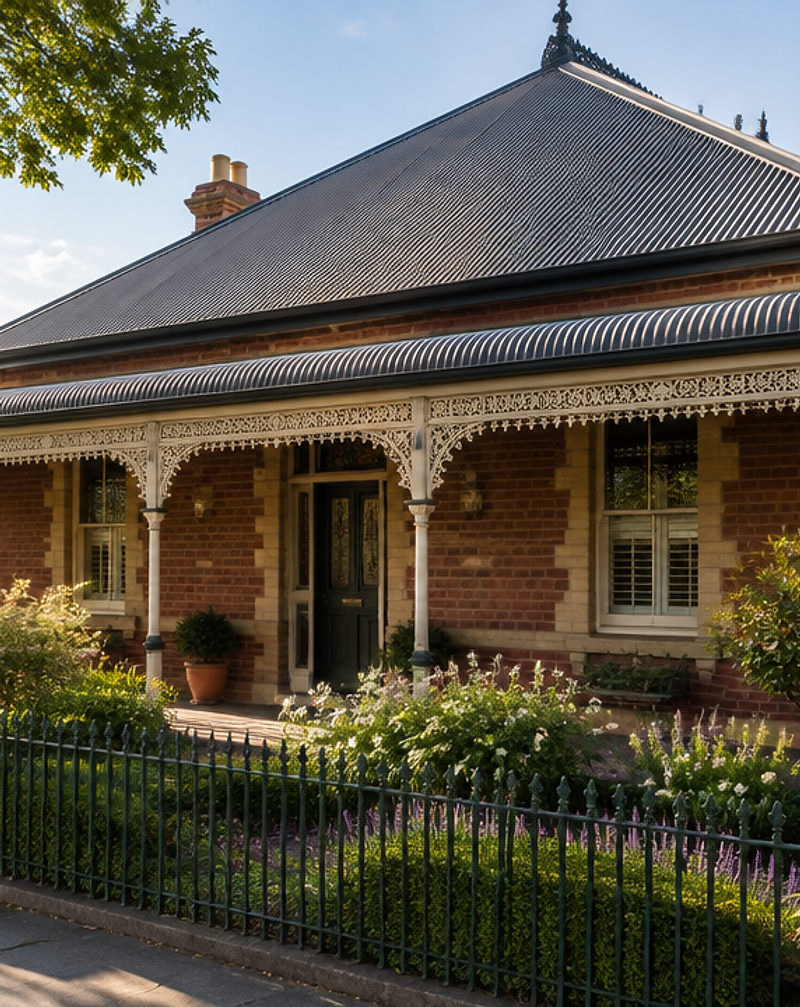
Maitland is one of the oldest settled areas in the Hunter, and its housing stock spans nearly two centuries — from heritage homes in Lorn and Bolwarra to large new estates at Thornton, Ashtonfield and Gillieston Heights.
Written quote
Get your written quote
Step 1 of 2
Takes 30 seconds. No obligation.
What building and pest inspections find in Maitland
The defining issue in Maitland is soil. Much of the area sits on reactive clay that expands when wet and shrinks when dry, and that cycle is what produces the movement cracking so commonly seen in masonry homes here. The other is flood history — parts of central Maitland and Lorn have been inundated more than once, and the evidence is not always obvious once a property has been renovated.
Who is buying in Maitland, and what that means for an inspection
Maitland is the Hunter's family-housing market: new estates at Thornton and Gillieston Heights, heritage streets in Lorn and Bolwarra, and acreage on the edges. Prices sit below Newcastle's, and most buyers are stretching to get into a first home — which makes knowing what the repairs will cost more important, not less.
Reactive clay soils
Seasonal movement produces stepped cracking in brickwork, sticking doors and windows, and out-of-level floors. The pattern and width of cracking is what tells you whether it is cosmetic or significant.
Heritage homes in Lorn and Bolwarra
Timber stumps, wide verandahs, original drainage and decades of additions. Subfloor condition and previous structural work are usually the most important findings.
Flood-affected pockets
We record site levels, subfloor staining and drainage. Confirming individual flood history sits with council records and the vendor's disclosure — we report what is visible.
1990s–2000s estates
Thornton, Ashtonfield and Rutherford have large volumes of estate housing now reaching the age where original wet area waterproofing, roofing and hot water systems need attention.
Rural-residential edges
Larger blocks with sheds, water tanks and outbuildings introduce structures that are often unapproved or poorly maintained.
Common local concerns
- Movement cracking consistent with reactive clay
- Deteriorated timber stumps and bearers in older homes
- Stormwater discharging too close to footings
- Original wet area waterproofing at end of life
- Unapproved sheds, carports and conversions
- Termite activity in old fences and outbuildings
Property types we inspect
- Heritage homes
- Large new estate housing
- Rural-residential acreage
- Brick veneer family homes
- Renovated miners' cottages
Inspections available across Maitland
Pest Inspections
From $275
Termite Inspections
From $275
Building Inspections
From $330
Pre-Purchase Pest & Building Inspections
From $550
Pest-Proofing Inspections
From $275
Pest-Proofing Works
From $275
Starting prices in Maitland
Full pricing| Service | Unit / Townhouse | Single storey | Double storey | Split level | Large / rural |
|---|---|---|---|---|---|
| Timber pest / termite inspection | $275 | $275 | $330 | $330 | $450 |
| Building inspection | $330 | $440 | $495 | $495 | $495 |
| Combined pest & building inspection | $550 | $650 | $750 | $750 | $750 |
Starting prices. Final pricing depends on size, age, access and scope, and is confirmed in writing.
off the next report
Subsequent report offer
25% off your next pre-purchase report
If the findings in your pre-purchase pest and building report mean you decide not to proceed with the purchase, your next pre-purchase pest and building report is discounted by 25%.
Conditions & eligibility
- Applies to subsequent pre-purchase pest and building reports only.
- Available where you do not proceed with the purchase based on the findings of the initial report.
- The subsequent report must be booked and completed within three months of the first pre-purchase pest and building inspection.
- The discount does not apply to stand-alone termite, building or pest-proofing services.
- Offer may be withdrawn or varied at any time before a booking is confirmed in writing.
Suburbs we inspect in Maitland
If your suburb is not listed, call us — coverage extends to surrounding areas.
- Maitland
- East Maitland
- Rutherford
- Thornton
- Metford
- Ashtonfield
- Lorn
- Bolwarra
- Gillieston Heights
- Tenambit
- Raworth
- Chisholm
Booking process
Tell us about your property
Share the address, property type, size and anything you already know — contract dates, access notes, or concerns from an open home.
Choose your inspection
Building, timber pest, or both combined. We will tell you if a different scope would serve you better before you book.
Confirm scope and access
We confirm what will and will not be inspected, how the property will be accessed, and the confirmed price in writing.
On-site assessment
A visual, non-invasive inspection of the safely accessible areas within that scope, documented as we go.
What we find across Maitland, suburb by suburb
Housing type and ground conditions change street by street. These are the patterns that come up most often in each area.
Lorn
Heritage homes with timber stumps, deep verandahs and additions built over many decades, on ground with a recorded flood history.
Rutherford & Thornton
1990s and 2000s estate housing where original roofing, hot water services and wet area waterproofing are now at end of life.
Bolwarra
Larger heritage and rural-residential blocks with outbuildings, on reactive clay that shows itself as masonry cracking.
Ashtonfield & Gillieston Heights
Newer family housing on reactive clay — slab movement and surface drainage fall are what the inspection is really testing.
East Maitland
A mix of older cottages and recent townhouses, where unapproved carports, pergolas and conversions turn up regularly.
Building and pest inspection questions in Maitland
Not always. Reactive clay produces a lot of cosmetic cracking. What matters is the pattern, the width, whether it is ongoing, and whether doors and windows still operate. The report describes what is visible and recommends engineering assessment where the evidence supports it.
We record visible indicators — subfloor staining, silt marks, replaced lower wall linings, drainage condition and site levels. Historical flood records should be confirmed through council and the vendor's disclosure.
Yes. Newer homes still benefit from inspection: slab heave, drainage, landscaping against the slab and waterproofing defects are all common in estate housing.
Buying or maintaining a property in Maitland?
Arrange a building, timber pest or combined inspection and get a documented picture of the property's condition before you decide.